


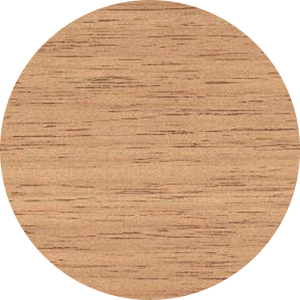
TAUARI
Heartwood and sapwood are indistinguishable in color, lightly pinkish straw-white. Straight grain, medium texture; smooth to the touch surface and slightly glossy; imperceptible smell and taste. In some species the wood has an unpleasant and strong smell, which is evident a few days after cutting.
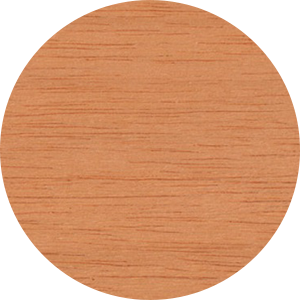
JEQUITIBÁ-ROSA
Sapwood slightly differentiated from the heartwood, usually light beige. Heartwood is usually pink-brown or beige-pink, or even dark-pink beige, eventually with brownish shadows. Irregularly glossy surface and slightly rough to the touch; medium and uniform texture; straight grain. Imperceptible smell and taste.
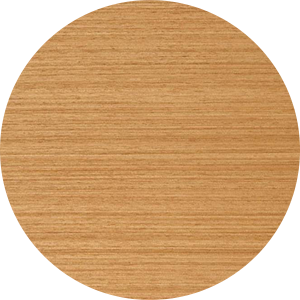
FREIJÓ
Heartwood with a yellowish-brownish color or even light-brownish color, uniform or with darker strips that are very faded and parallel, rarely showing a pinkish hue. Medium texture, usually straight grain, glossy surface and moderately rough to the touch.
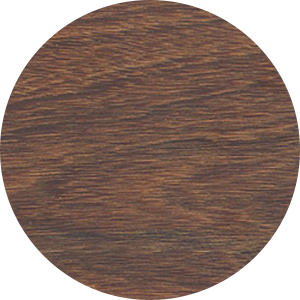
IPÊ
Heartwood is brownish-blond or light-brown, generally uniform, and it usually presents greenish reflections. The surface is not very glossy and is smooth to the touch; the texture is fine to medium, uniform; the grain is straight to reverse, and the smell and taste are imperceptible.
CUMARU
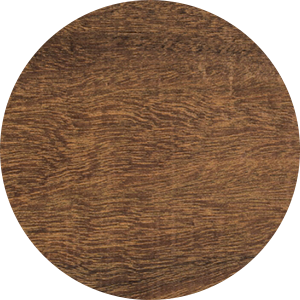
Light brown or brownish-blond color. Sapwood has a distinct, yellowish-brown. The surface is slightly to moderately glossy, waxy in appearance and smell similar to that of vanilla. Distinct taste.
TECA
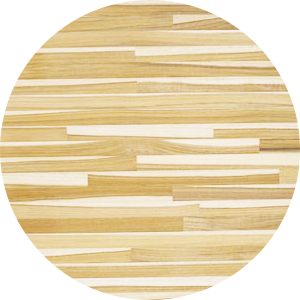
Dark yellow wood, with darker veins, medium texture and straight grain, with an indistinct taste and a characteristic smell.
GARAPEIRA
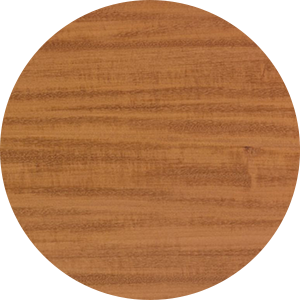
Heavy wood; heartwood ranging from beige-yellow or slightly pinkish yellow to pink-brown, uniform; differentiated sapwood, white-yellowish; medium texture; irregular grain for coating; glossy and smooth surface to the touch; imperceptible smell and taste.
JATOBÁ
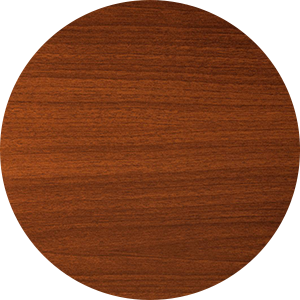
Pink-brown to light reddish-brown, uniform or with longitudinal veins. Thick, yellowish-white sapwood. Surface not very glossy, smooth to thick texture, usually reverse grain. Indistinct taste and smell.
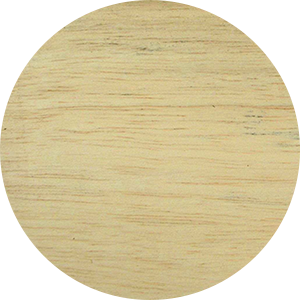
CAIXETA
Sapwood and heartwood in light beige to beige-pink tone; its surface is smooth, dull, medium to coarse texture and straight grain. No smell or taste can be distinguished.
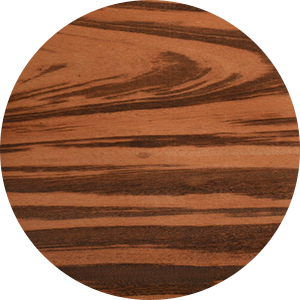
MUIRACATIARA
The heartwood is reddish-brown in color, marked with dark brown strips in a vertical direction, with variable spacing and beautifully distinct figures. Regular grain, medium texture, imperceptible smell and taste.
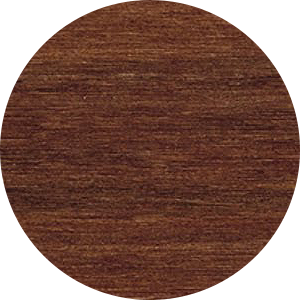
MAÇARANDUBA
Red-purple heartwood, with a tendency to become dark red over time, distinct from sapwood which is light brown; fine and uniform texture, medium shine, usually straight grain; imperceptible smell and taste.
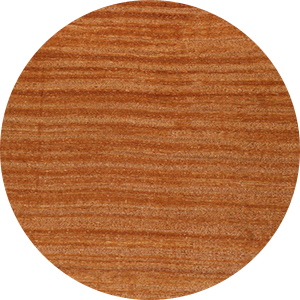
LOURO-VERMELHO
Heartwood has a color ranging from reddish-brown to orange-brown. Its surface is irregular and glossy; it has a medium texture and straight or diagonal grain. Imperceptible taste and smell.
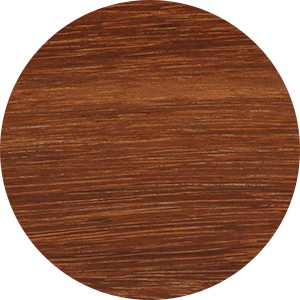
SUCUPIRA
Heavy wood with reddish brown color (Diplotropis) and brown color (Bowdichia), coarse texture, accentuated fibrous appearance and reverse grain, with indistinct taste and smell.
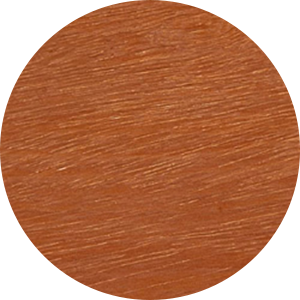
ANGELIM-AMARGOSO
Heartwood and sapwood distinguished by their color, yellow-brown or reddish-brown heartwood; fibrous appearance; imperceptible smell; bitter taste, high density; straight to irregular grain; coarse texture (IPT, 1989b).
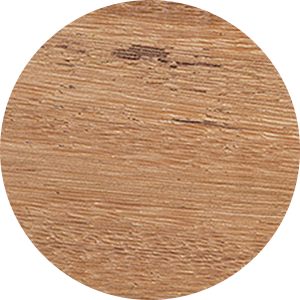
ANGELIM-PEDRA
Pale brownish-yellow background color, with irregular veins of light reddish-brown coloring. Smooth, dull surface. Medium to coarse texture, straight or reverse grain. Indistinct odor.
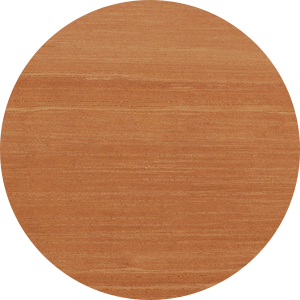
CEDRO
Heartwood ranging from dark-pink to reddish-brown and white and pinkish sapwood; glossy surface with golden highlights; characteristic, pleasant smell; slightly bitter taste; coarse texture; straight or slightly wavy grain.
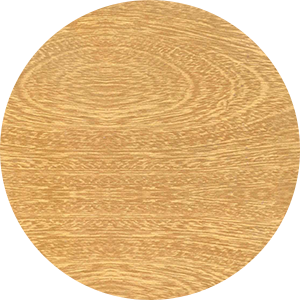
CEREJEIRA
Straight to irregular grain, coumarin-scented. Height of 4-10 m in the caatinaga and 10-20 m in the rainforest and deciduous forests, with trunk of 40-80 cm in diameter. Composite leaves, 10-15 cm long; follicles in numbers of 11-15, 1-2 cm long.
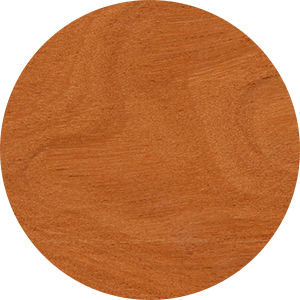
CUPIUBA
Beige to brownish heartwood, uniform, or sometimes with darker, pinkish brown veins; not very differentiated sapwood. Straight to irregular grain, medium texture, surface with little shine. It has a characteristic and unpleasant smell when green, imperceptible taste.
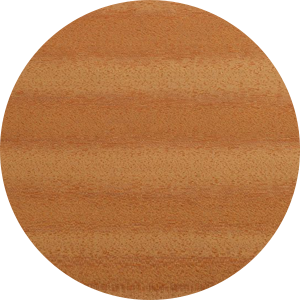
TATAJUBA
Yellow heartwood soon after cutting, sometimes with darker stripes; with exposure to light it turns burnt-brown. Narrow sapwood clearly differentiated from the heartwood. Medium texture; high gloss on longitudinal surfaces. Imperceptible smell and taste.
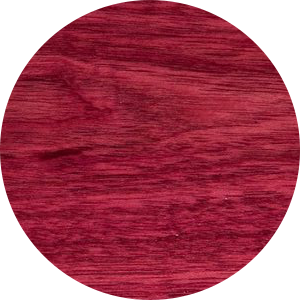
ROXINHO
Heavy purple wood, with indistinct taste and smell. In P. confertiflora the texture is medium, and the grain is straight, while in P. lecointei the texture is smooth, and the grain is irregular.
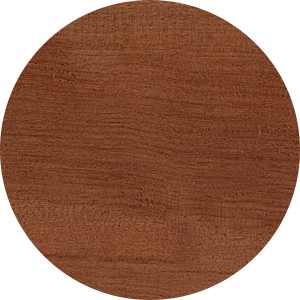
CEDRINHO
Light reddish-brown heartwood, distinct from light gray to light gray-brown sapwood, distinct growth rings , straight to reverse grain, medium texture, no luster and imperceptible smell.
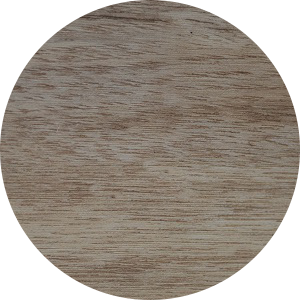
CAMBARÁ
highlighted sapwood, gray-white. The freshly polished heartwood is light yellow, darkening to light beige with yellowish spots, tending to a uniform lightly pinkish brown. Smooth to the touch surface, with little pronounced shine; fine texture; straight to irregular grain. Imperceptible smell and taste.
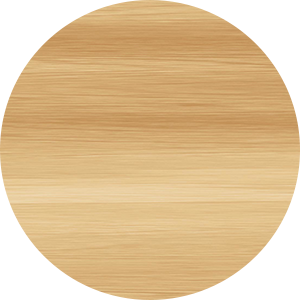
FAVEIRA-BRANCA
Indistinct heartwood and sapwood, straw-white to pale brown-yellowish. Distinct growth rings, straight to reverse grain, medium texture and moderate or nonexistent luster, depending on the species.
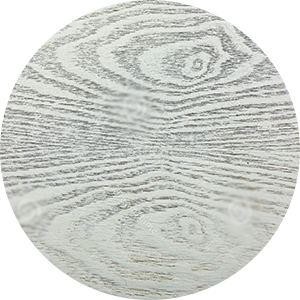
WHITE OAK
A hard and heavy wood, with medium resistance to flexibility and impact. It has low stiffness but, on the other hand, is very good for steam bending. Southern white oak grows faster, has wide concentric rings and the wood tends to be harder and heavier.

ITAÚBA
Initially it has an olive-yellow heartwood when cut, becoming brown when exposed to air; a distinct sapwood, light beige in color. The wood does not present any drawings, having a medium texture, little shine and regular grain; smooth to the touch. When freshly cut, it has a pleasant smell and a spicy taste, but it is barely noticeable when dry.
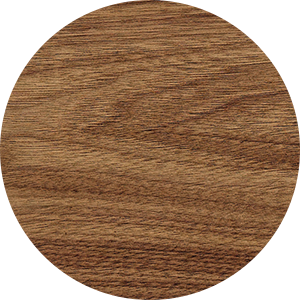
AMERICAN WALNUT
The walnut sapwood is creamy white, while the color of the heartwood ranges from light brown to dark chocolate brown, sometimes with a purple shade and darker knots. The walnut wood can be supplied without being steamed or steamed to darken the sapwood.
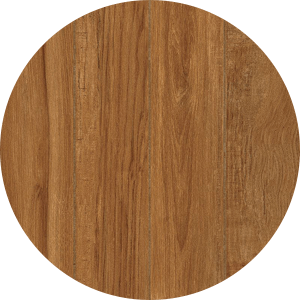
IMBUIA
Very variable heartwood, ranging from yellowish-brown to reddish-dark brown, usually with the presence of darker, parallel or wavy veins. Right to reverse grain; irregularly glossy and smooth surface, characteristic and pleasant odour; bitter and astringent taste.
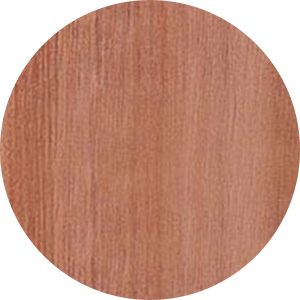
EUCALYPTUS (FSC)
Eucalyptus grandis wood is a light reddish brown in colour, with a fine texture and straight grain, with an indistinct taste and smell. FSC certified wood.
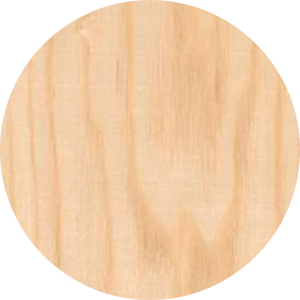
FREIXO AMERICANO (ASH)
Light sapwood, almost white, with heartwood ranging from grayish brown to light brown, or pale yellow with brown knots. The wood generally has a straight vein with a uniform rough texture. The degree and availability of the slightly colored sapwood, as well as other properties, varies depending on the growth regions.
EUROPEAN BEECH
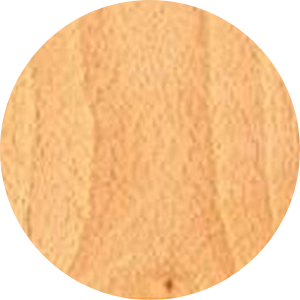
Alburo and duramen from white orange to light pink. Fiber: Straight, Grain: Fine, Characteristic Defects: Growth tensions. False purple heart due to chromogen attacks. The sapwood is indistinguishable from the core. The core is a very pale brown, ranging from light reddish brown to golden yellow.
RED OAK
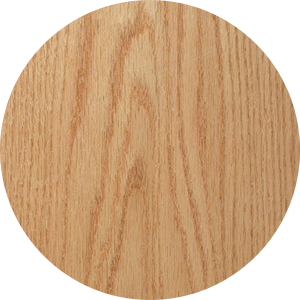
The color of the red oak sapwood varies from white to light brown, while the core is a pinkish brown. The wood is – in general appearance – similar to white oak, but with a slightly less sharp design, a product of smaller Medullary rays. Wood is usually straight ribbed and has a rough texture. Red oak is named after the color of its autumn leaves.