


Scientific Name:
Goupia glabra AubI., Goupiaceae.
Other Names and Related Species:
In Maranhão it is known as Cachaceiro, and in Mato Grosso as Peroba-do-norte.
Description of the Tree:
Large tree, normally reaching 25 to 30 meters in height and 80 to 120 cm in diameter. Its bark is fibrous, with a scaly surface.
Wood Characteristics:
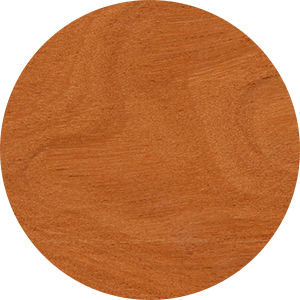
Beige to brownish heartwood, uniform, or sometimes with darker, pinkish brown veins; not very differentiated sapwood. Straight to irregular grain, medium texture, surface with little shine. It has a characteristic and unpleasant smell when green, imperceptible taste.
Region of Occurrence:
It occurs in dryland forests throughout the Amazon region, both in sandy and clayey soils.
Physical-Mechanical Properties:
Cupiúba wood is heavy and has medium volumetric retractability and mechanical resistance. Good resistance to rotting.
Behavior During Drying:
It dries slowly outdoors, without many problems of cracks or warping. When drying in an oven, it presents a slight incidence of defects.
Workability:
Easy workability with manual tools or with machines. Easy to saw, flatten, bend, glue and screw. The use of nails without prior drilling can cause cracks. Receives good finish.
Suggested Uses:
In external constructions such as structures, poles, fence posts, railroad crossties; in internal constructions for uses such as beams, rafters, slats, clubs and floorboards, door and window frames or stops; solid wood furniture, turning, truck bodywork, etc.
Source: REMADE