


Scientific Name:
Diplotropis purpurea (Rich) Amsh. Bowdichia nitida Spruce Fabaceae.
Other Names and Related Species:
Cutiúba, Macanaíba, Macanaíba-pele-de-sapo, Sucupira-da-Mata, Sucupira-da-terra-firme, Sucurppira-Parda, Sucupira-Vermelha, Sucupira-Preta.
Foreign Nomenclature:
Alcornoque (Venezuela); Coeur de Hors (French Guyana); Sucupira (France, Great Britain); Sucupira (Germany, Spain, France, The Netherlands, England, Italy, Sweden); Tatabu (Guyana); Zwarte-Kabbles (Suriname).
Occurrence:
Sucupira occurs more frequently in the states of Pará, Rondônia, Roraima, Mato Grosso, Maranhão, Amazonas and Amapá, also reaching the Guyanas.
General Features:
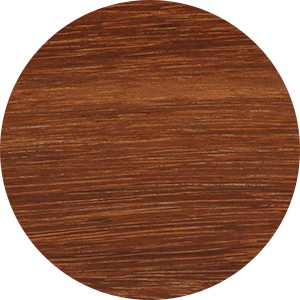
Heavy wood with reddish brown color (Diplotropis) and brown color (Bowdichia), coarse texture, accentuated fibrous appearance and reverse grain, with indistinct taste and smell.
Natural Durability:
Its wood is durable, resistant to fungi and termites, but with low resistance to marine boring organisms.
Processing:
Wood that presents difficulties in flattening, easy to be bend and excellent acceptance of nails and screws, with a good finish. Drying is difficult and presents defects such as cracks and warping.
Workability:
Species of difficult workability, due to the impermeability of the heartwood.
Suggested Uses:
Due to its physical-mechanical properties between high and medium, it can be used in heavy internal and external civil construction, and in light internal decorative and internal structural construction, such as domestic floors, high quality furniture, slats and plywood, decoration and furnishing.
Source: REMADE